Freight Shipping Guides
How Does Freight Brokerage Work?
A freight broker arranges transportation between a shipper and an authorized motor carrier. Here is what brokers do, how they are regulated and what to expect as a shipper.
By Customer First Brokerage · · 6 min read
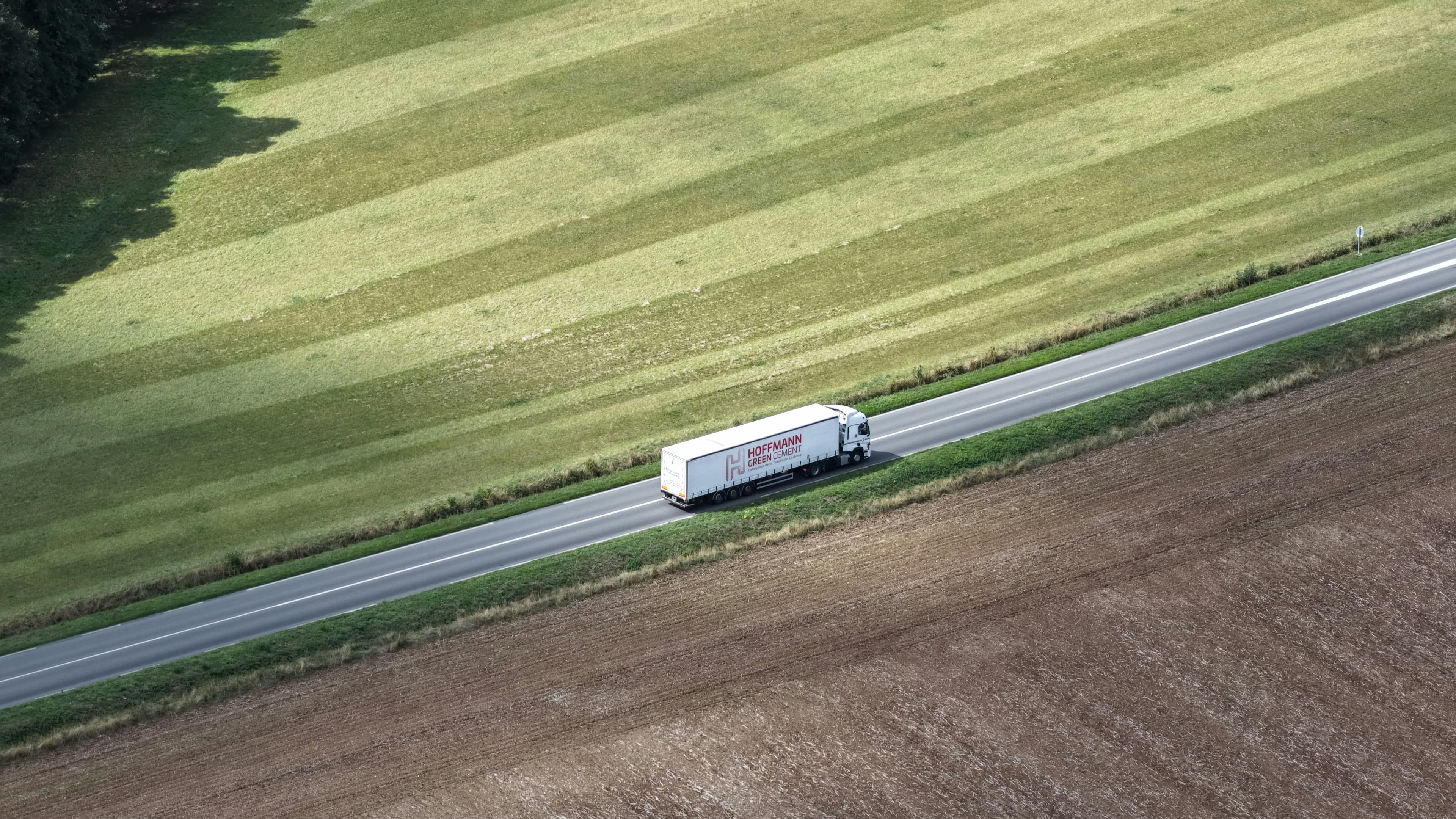
A freight broker is a company that arranges the transportation of a shipper's freight by an authorized motor carrier. The broker does not own the truck or employ the driver. Its job is to understand what needs to move, find a carrier with the right equipment and authority, agree on terms, and coordinate the shipment so the shipper does not have to find and manage a truck on their own.
The three parties in a brokered shipment
- Shipper
- The business that has freight to move — a manufacturer, distributor, contractor, dealer or retailer.
- Broker
- The licensed intermediary that arranges transportation for the shipper and coordinates the move.
- Motor carrier
- The trucking company, from a single owner-operator to a large fleet, that actually hauls the freight under its own operating authority.
How brokers are regulated
In the United States, a company that arranges interstate truck transportation for compensation must register with the Federal Motor Carrier Safety Administration (FMCSA) and hold broker operating authority. Brokers are issued a USDOT number and an MC number, which anyone can look up on FMCSA's public SAFER system. Federal rules also require brokers to maintain $75,000 in financial security, typically a surety bond or trust fund, on file with FMCSA.
A broker and a motor carrier are different kinds of authority. A broker is authorized to arrange transportation; a motor carrier is authorized to perform it. Customer First Brokerage holds broker authority — USDOT 3445411, MC-1120144 — for property other than household goods.
A brokered shipment, step by step
- Request. The shipper shares the pickup and delivery locations, the freight, its weight and dimensions, the equipment needed and the timing.
- Quote. The broker prices the shipment based on the lane, equipment, timing and any special requirements.
- Carrier selection. Once the shipment is booked, the broker arranges capacity with an authorized motor carrier whose equipment fits the load.
- Confirmation. The broker and carrier confirm the terms in a rate confirmation; pickup and delivery details are shared with everyone involved.
- Pickup. The carrier loads the freight and the shipper signs the bill of lading, the receipt and contract for the shipment.
- Transit and delivery. The broker stays in contact with the carrier through delivery, and the receiver signs for the freight, producing the proof of delivery.
Why shippers use a broker
- Access to a range of equipment types without managing a fleet
- One point of contact instead of searching for a truck for every load
- Help choosing the right trailer for unusual freight
- Coordination of specialized requirements, such as oversize permits and escorts, with the carrier
What to look for in a broker
Verify that the broker's authority is active on the FMCSA SAFER system, that its entity type is listed as a broker, and that its contact information matches what you have been given. Ask how the broker communicates during a shipment and who your point of contact will be.