
Enclosed truckload
Dry van freight brokerage for enclosed truckload shipments
Overview
How dry van freight brokerage works
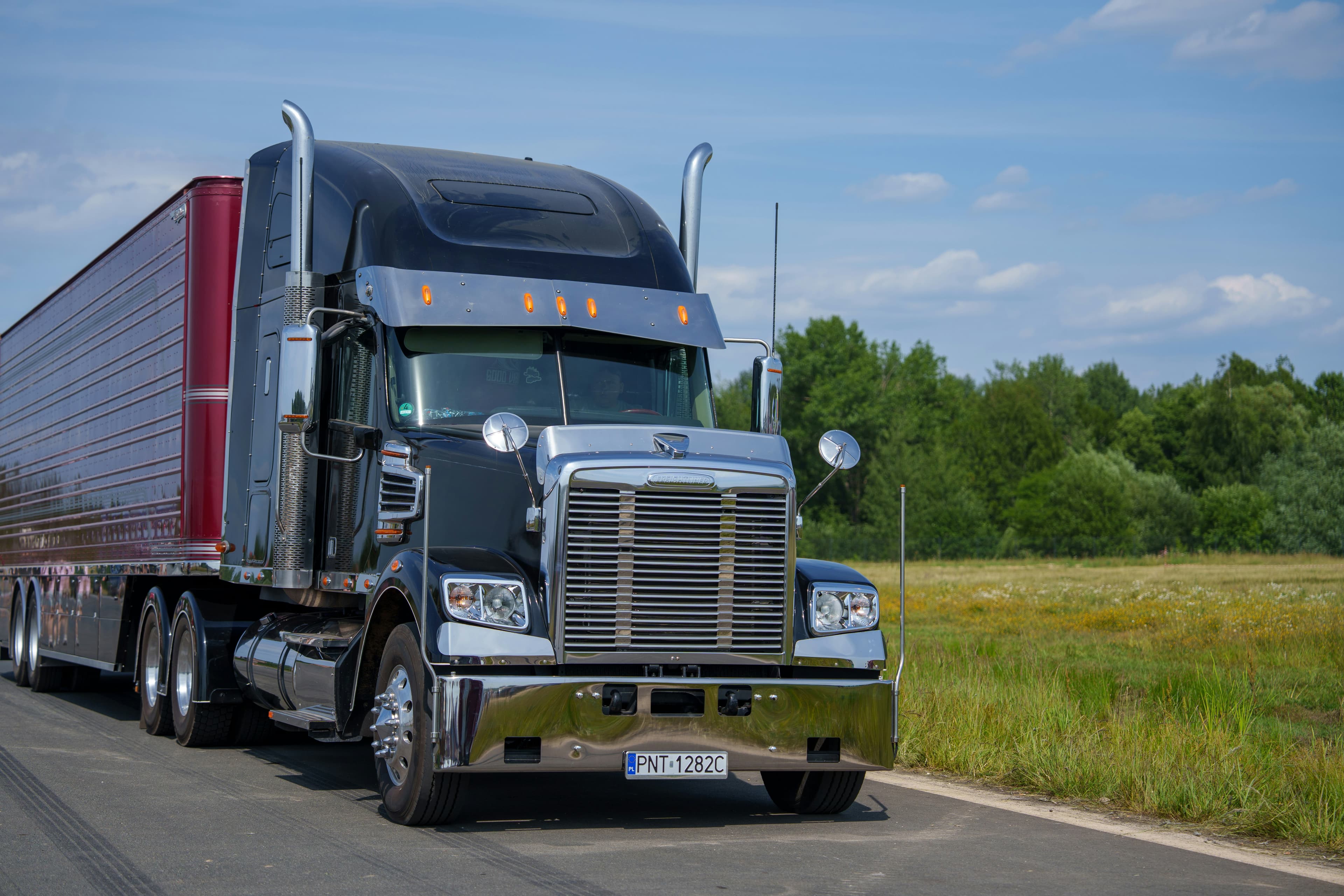
A dry van is the fully enclosed, non-temperature-controlled trailer behind most of the trucks you see on the interstate. It keeps freight out of rain, snow, wind and road spray, and it loads from a dock with a forklift or pallet jack. As your freight broker, we match your shipment with an authorized motor carrier running the right van for the load, then coordinate the details from pickup through delivery.
Equipment
Typical dry van specifications
- Common length
- 53 ft
- Interior height
- ≈ 108–110 in
- Pallet positions
- Up to 26 (48 × 40 in)
- Typical freight weight
- ≈ 42,000–45,000 lb
- Loading
- Rear doors, dock
Typical figures for general planning only. Actual dimensions and capacities vary by trailer, and legal height and weight limits vary by state.
When a dry van is the right fit
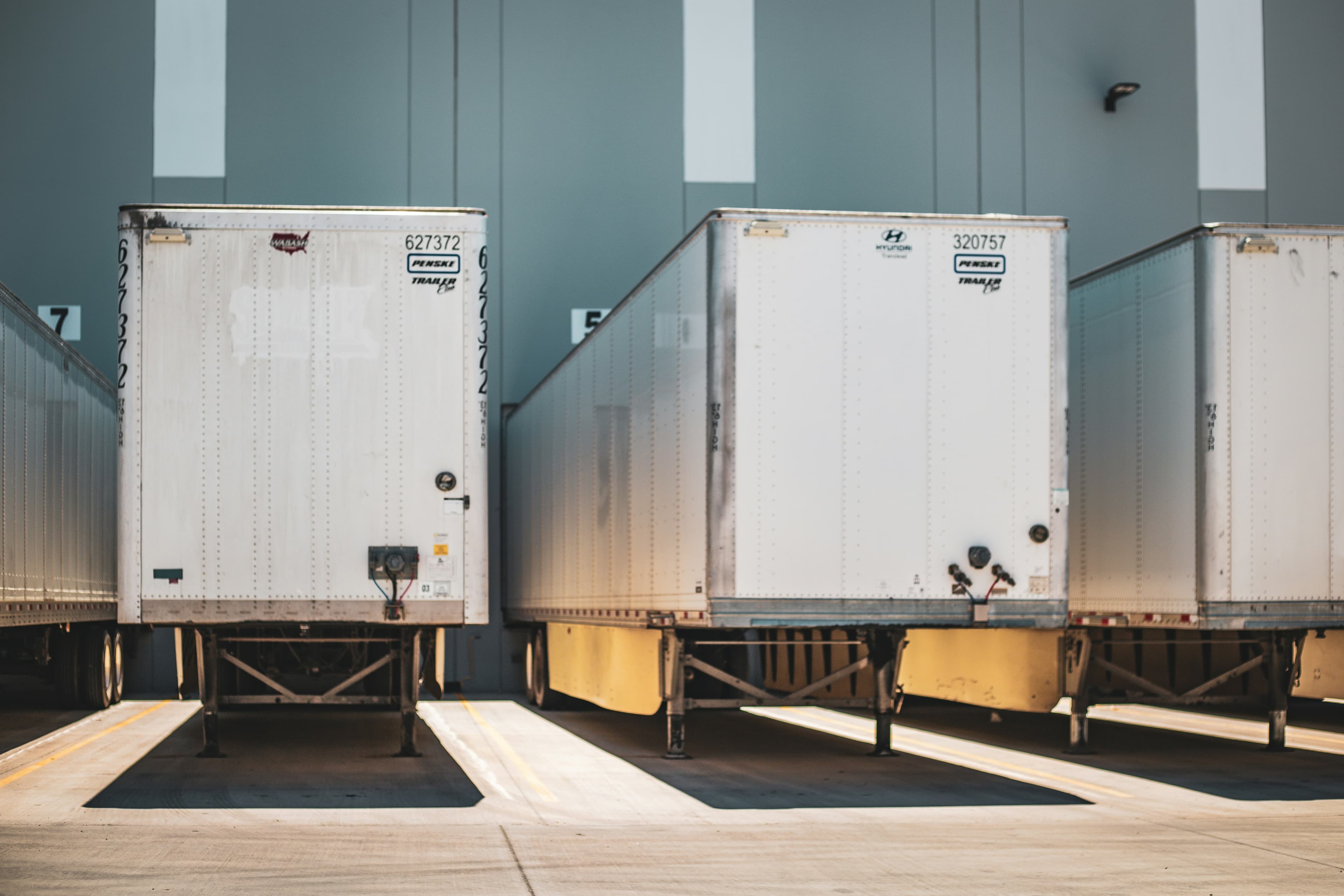
Dry vans are built for freight that can be loaded through rear doors, fits inside the trailer's interior dimensions and does not need temperature control. If your shipment is on pallets or in cartons and should arrive clean and dry, a van is usually the most practical and widely available option.
The enclosed box also adds a layer of security compared with open-deck equipment, because freight is out of sight and trailer doors can be sealed at the shipping dock. Seal numbers can be recorded on the bill of lading so the receiver can confirm the doors were not opened in transit.
What we need to plan a dry van load
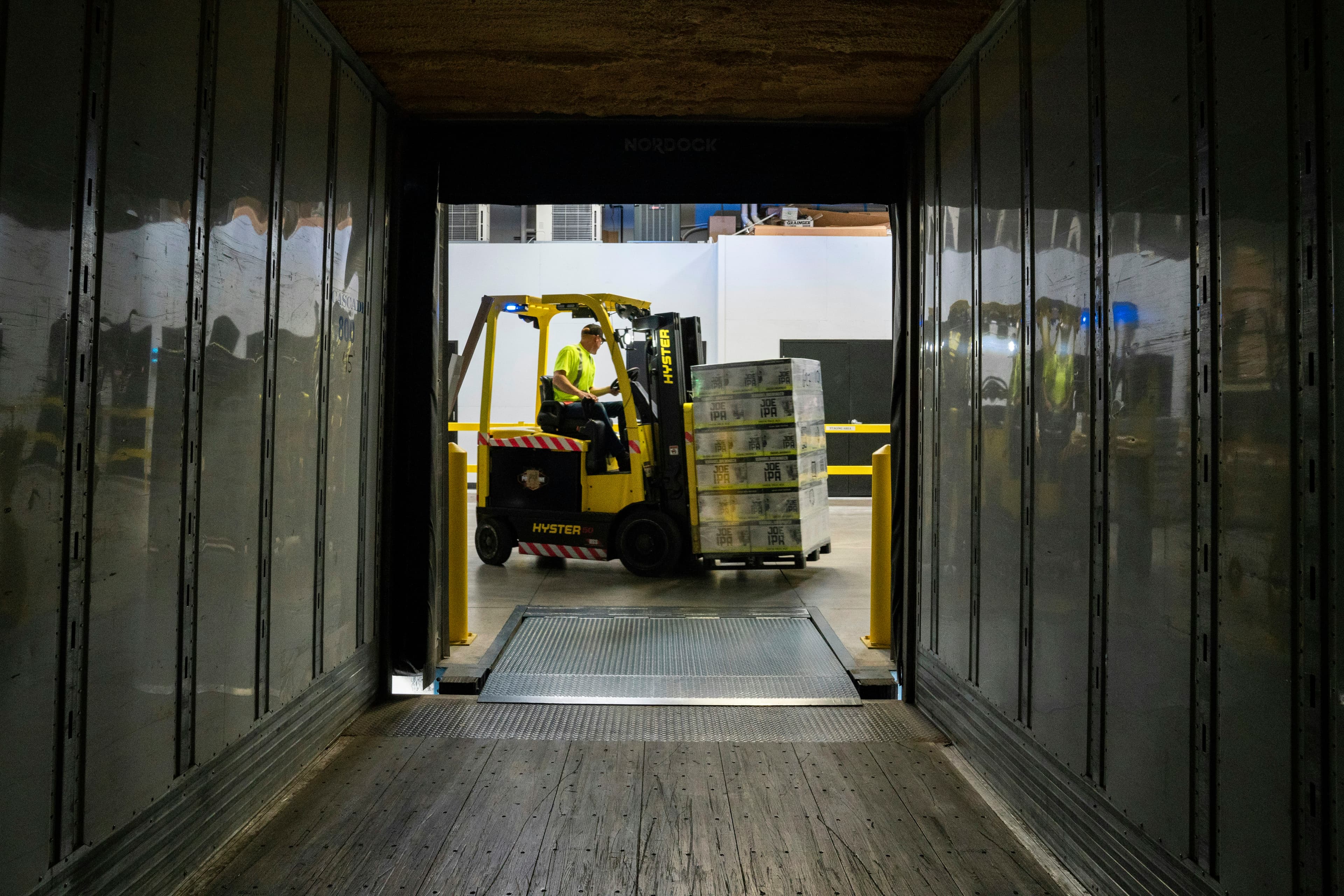
Most dry van quotes come down to a handful of details: where the freight picks up and delivers, how many pallets or pieces there are, the approximate weight, and when it is ready. We also ask whether both locations have a loading dock, because a facility without a dock may need a liftgate or a different loading plan.
If the freight is stackable, or if it must stay upright, tell us early. Those details help the carrier plan how the trailer is loaded and keep your product in the condition you shipped it.
Dry van compared with flatbed
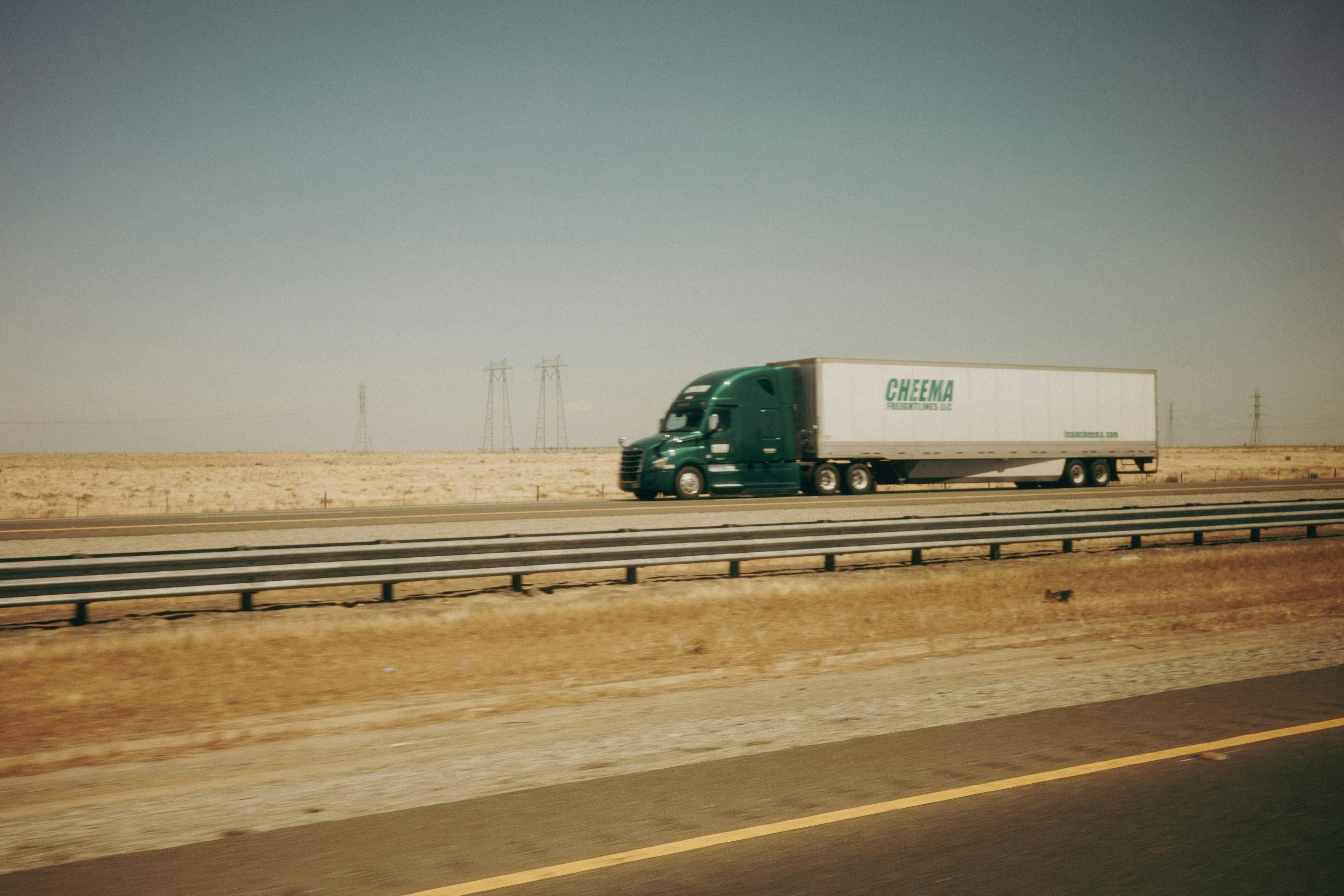
Choose a dry van when freight should be protected from the elements and can be loaded from the rear. Choose open-deck equipment when the freight is too tall, too wide or too awkward to load through trailer doors, or when it must be loaded by crane or from the side.
Request a quote
What to include in your quote request
- 01Pickup and delivery city and state
- 02Number of pallets or pieces
- 03Approximate total weight
- 04Commodity description
- 05Dock or non-dock at each location
- 06Ready date and any appointment times
FAQ
Dry Van Freight questions
What kind of freight ships in a dry van?
How much freight fits in a 53-foot dry van?
Do both locations need a loading dock?
Is a dry van the same as a reefer?
Keep exploring
Related services and guides
Request a dry van quote
Tell us about the shipment and we’ll follow up to confirm the details and the equipment.
Prefer email? [email protected]