Equipment Guides
Dry Van vs. Flatbed: Which Is Right for Your Freight?
Dry vans protect freight inside an enclosed trailer; flatbeds carry freight that is too large or awkward for a van. Here is how to decide which one your shipment needs.
By Customer First Brokerage · · 6 min read
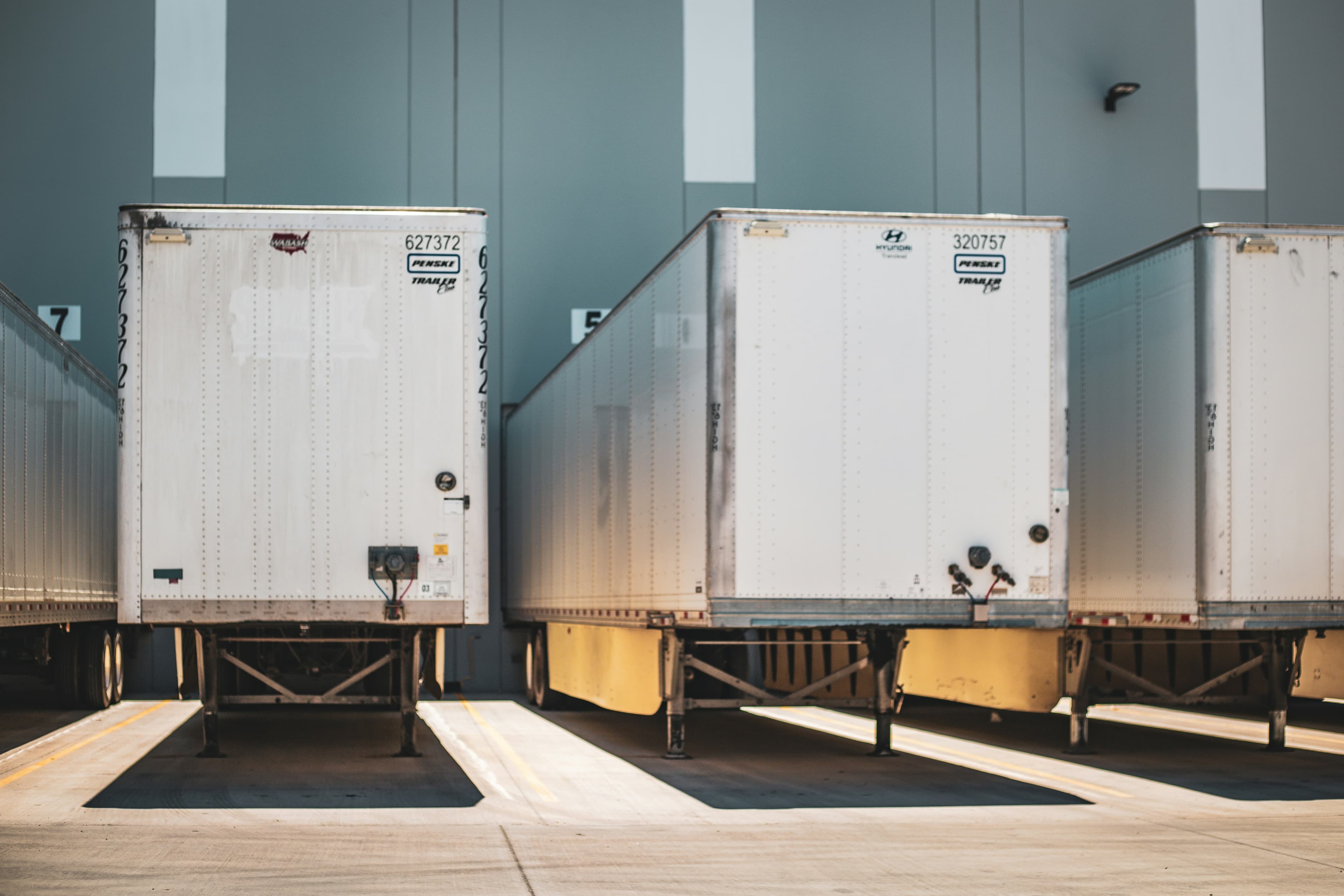
Dry vans and flatbeds are the two most common trailers in truckload shipping, and they solve very different problems. A dry van is an enclosed box that keeps freight out of the weather. A flatbed is an open deck that can take freight a van cannot — freight that is too tall, too wide, too heavy in one spot, or that has to be loaded by crane or from the side. Choosing correctly comes down to four questions: how the freight is packaged, how it will be loaded, its dimensions, and whether it needs protection from the elements.
What a dry van is built for
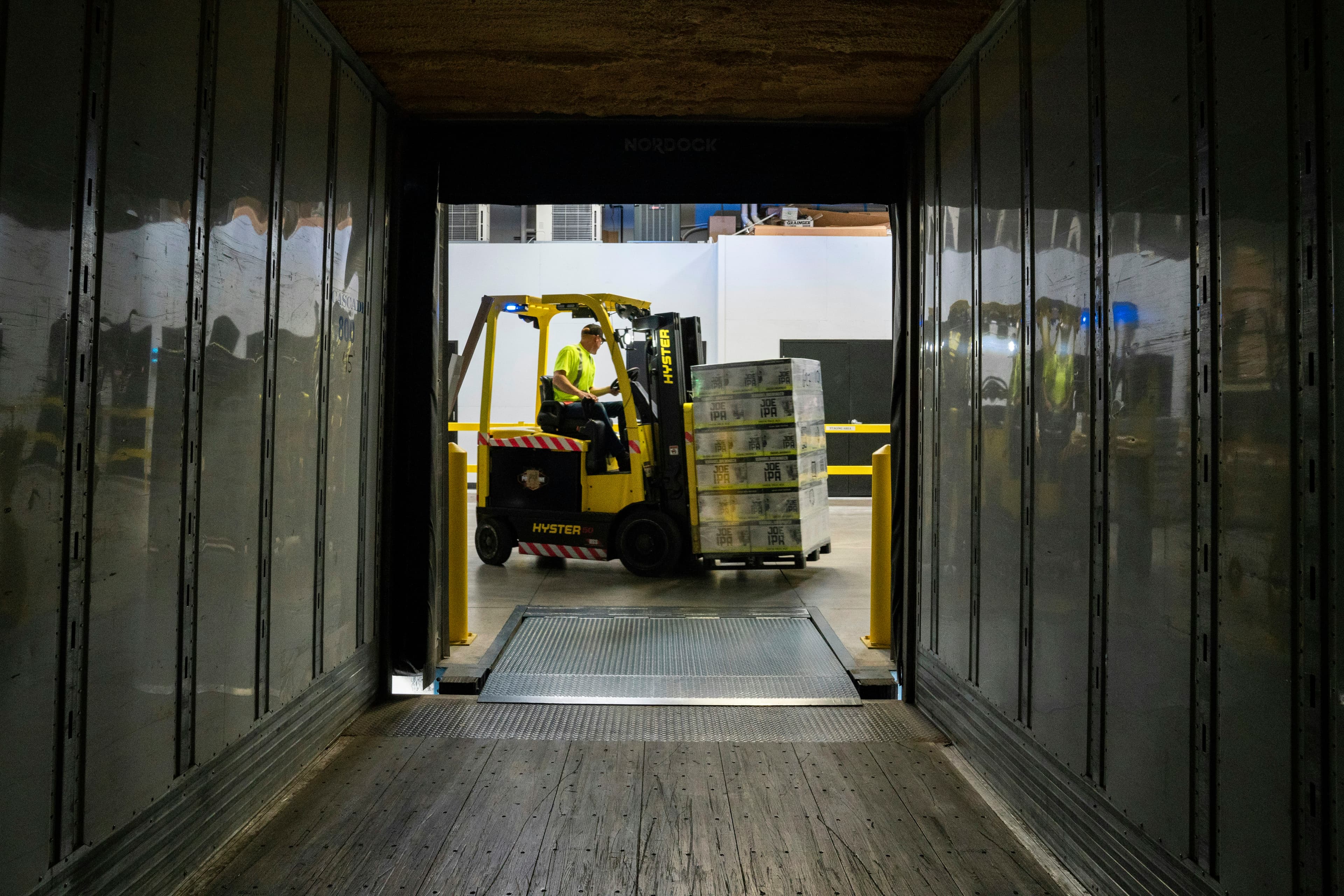
A standard dry van is 53 feet long with an interior height of roughly 108 to 110 inches and an interior width of a little over 8 feet. It loads through rear swing or roll-up doors, almost always at a dock with a forklift or pallet jack. A 53-foot van typically fits up to 26 standard 48-by-40-inch pallets loaded single-stacked, and many can carry roughly 42,000 to 45,000 pounds of freight depending on the equipment and axle weights.
Because the trailer is fully enclosed, freight stays dry and out of sight, and the doors can be sealed at the shipping dock. That makes vans the default choice for palletized and boxed goods: consumer products, packaged food that does not need refrigeration, paper and packaging, retail merchandise and manufactured parts.
What a flatbed is built for
A flatbed is a deck with no walls or roof, usually 48 or 53 feet long and 8 feet 6 inches wide, with the deck about 5 feet off the ground. Because it is open, it can be loaded from either side by forklift, from above by crane, or with a loader at a job site that has no dock at all.
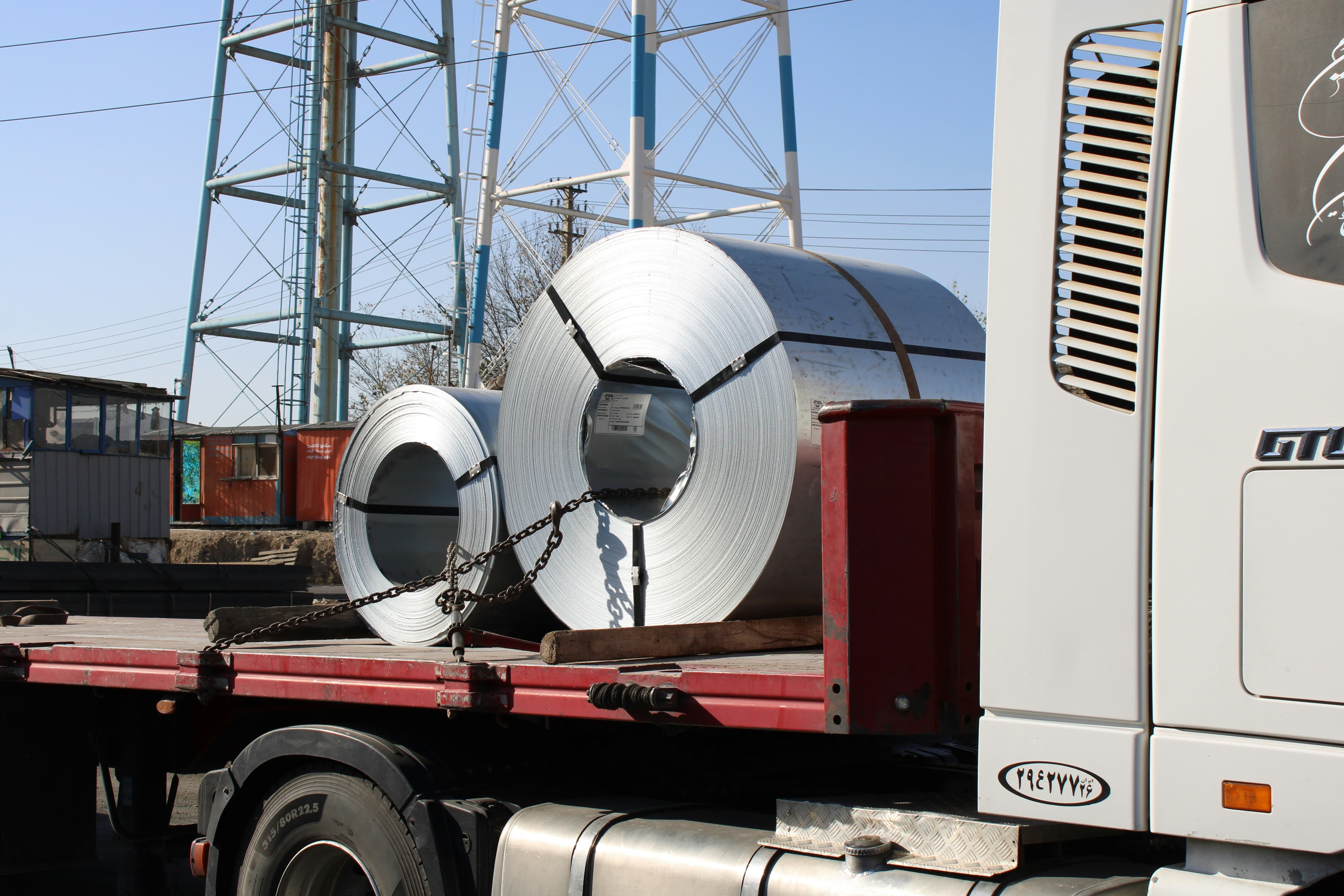
Flatbeds carry lumber, steel, pipe, beams, building materials, precast concrete, machinery and large equipment. The freight is secured with straps, chains and edge protection, and when it needs protection from moisture or road debris, it is covered with tarps.
| Dry van | Flatbed | |
|---|---|---|
| Common length | 53 ft | 48 or 53 ft |
| Loading | Rear doors, at a dock | Side, top or crane |
| Weather protection | Fully enclosed | Tarps when required |
| Freight height limit | Interior height ≈ 108–110 in | ≈ 8 ft 6 in above a 5 ft deck |
| Typical freight | Pallets, cartons, packaged goods | Lumber, steel, machinery, building materials |
Four questions that decide it
1. How is the freight packaged?
Freight on standard pallets or in cartons almost always belongs in a van. Bundles, coils, beams, crates of irregular size and unpackaged equipment usually point to a flatbed.
2. How will it be loaded and unloaded?
If both locations have dock doors and the freight can be moved by forklift or pallet jack, a van works. If the freight must be lifted by crane, loaded from the side, or delivered to a job site without a dock, you need open-deck equipment.
3. Does it fit through the doors?
Measure the largest piece. If it is taller or wider than a van's door opening, it will not go in a van regardless of weight. Freight that is taller than about 8 feet 6 inches may also be too tall for a standard flatbed — in that case, look at a step deck or RGN.
4. Does it need protection from the weather?
Some open-deck freight tolerates exposure; some must be tarped. If your freight must stay completely dry and fits in a van, the van is usually simpler. If it must ride on a flatbed and stay dry, specify tarping when you request a quote.