Equipment Guides
Flatbed vs. Step Deck: How to Choose
Flatbeds and step decks both load from the side or top. The difference is deck height — and that decides how tall your freight can be before it needs a permit.
By Customer First Brokerage · · 4 min read
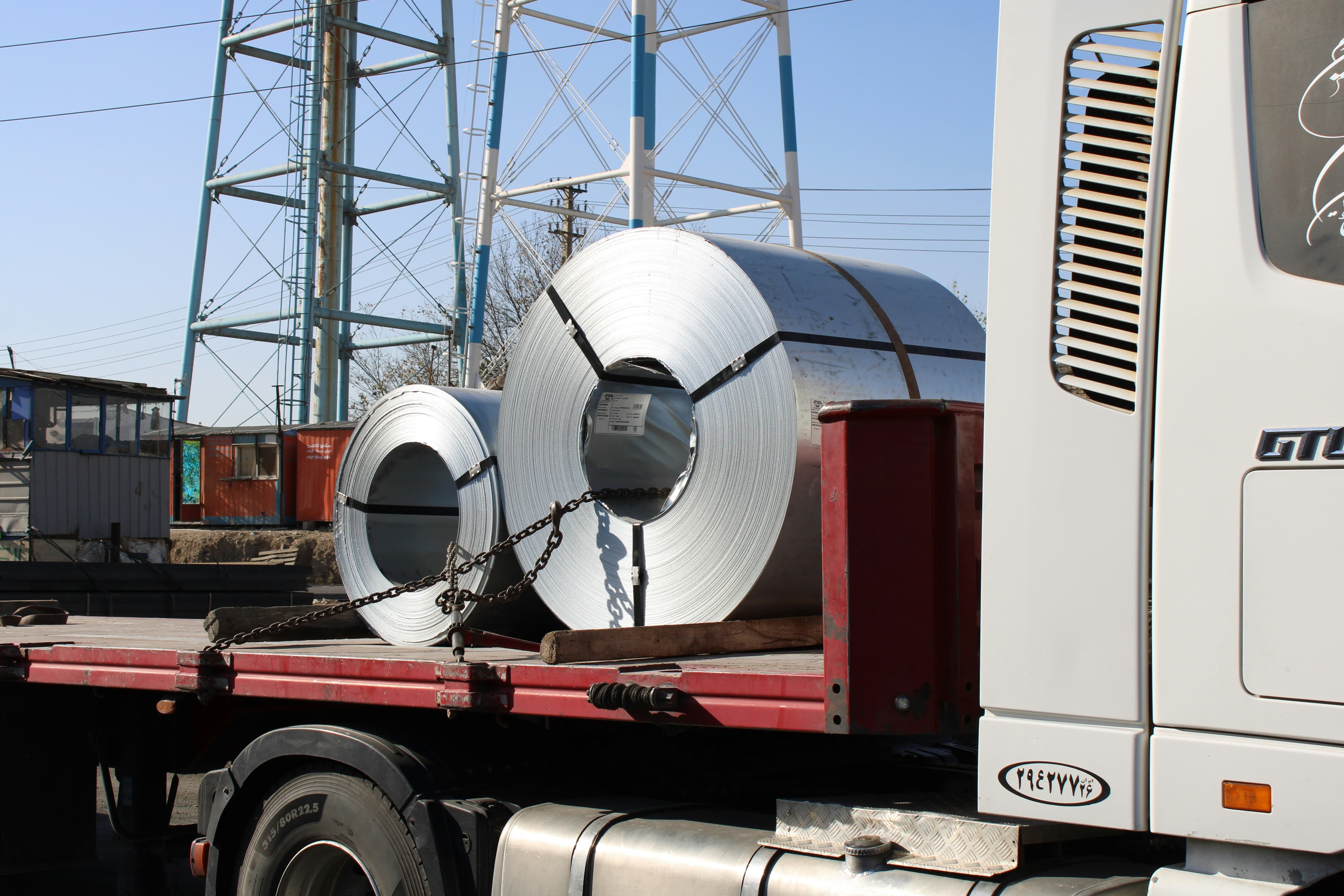
Flatbeds and step decks are close relatives. Both are open-deck trailers, both load from the side or from above, and both are secured with straps, chains and tarps. The practical difference is the height of the deck — and that single measurement decides how tall your freight can be.
The height math
A flatbed deck sits about 60 inches off the ground. A step deck's main deck sits about 36 to 42 inches off the ground. In a state with a 13-foot-6-inch height limit, that leaves roughly 8 feet 6 inches of freight height on a flatbed and roughly 10 feet on a step deck's lower deck.
| Flatbed | Step deck | |
|---|---|---|
| Deck height | ≈ 60 in | ≈ 36–42 in (lower deck) |
| Legal freight height | ≈ 8 ft 6 in | ≈ 10 ft |
| Usable deck length | Full 48 or 53 ft | Lower deck ≈ 37–43 ft, plus upper deck |
| Drive-on loading | Uncommon | Often, with ramps |
Choose a flatbed when
- Freight is under about 8 feet 6 inches tall
- You need the full, uninterrupted deck length — long beams, pipe or bundled lumber
- Freight is heavy and dense rather than tall
Choose a step deck when
- Freight is between roughly 8 feet 6 inches and 10 feet tall
- Equipment needs to be driven on over ramps
- A flatbed would put the load over the legal height limit
A note on the upper deck
The step deck's upper deck sits at flatbed height, so tall freight belongs on the lower deck. Long freight that needs one continuous flat surface may not work well on a step deck, because the step interrupts the deck.