
Open-deck truckload
Flatbed freight brokerage for open-deck shipping
Overview
How flatbed freight brokerage works
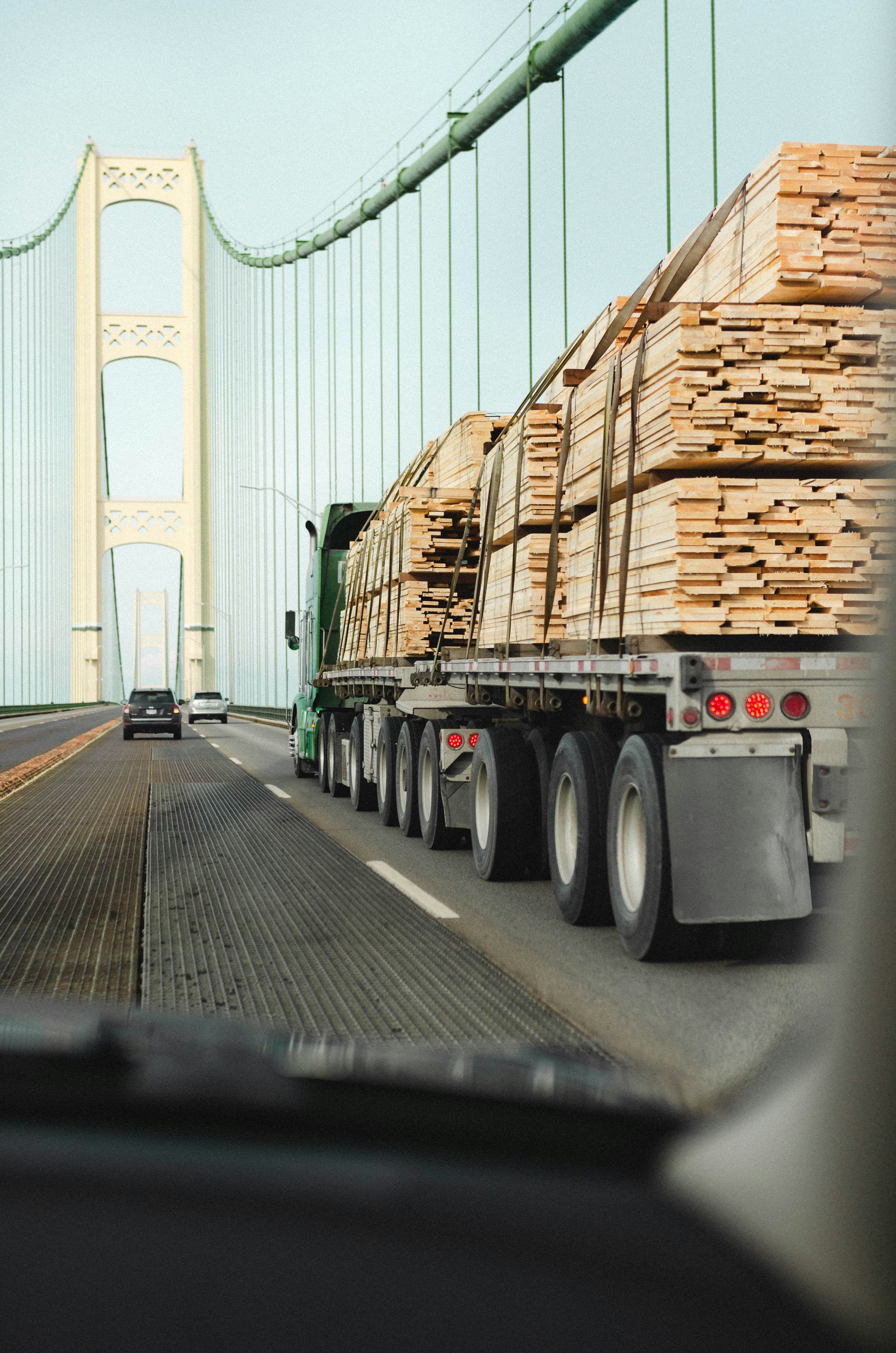
A flatbed trailer has no sides, roof or doors, which is exactly why it works for freight that a van cannot take. Forklifts can load from either side, cranes can set freight from above, and long or bulky items do not have to squeeze through a rear door. We arrange flatbed shipments with authorized carriers whose equipment and securement fit what you are moving.
Equipment
Typical flatbed specifications
- Common length
- 48 or 53 ft
- Deck height
- ≈ 60 in
- Legal freight height
- ≈ 8 ft 6 in
- Typical freight weight
- ≈ 45,000–48,000 lb
- Loading
- Side, top, crane
Typical figures for general planning only. Actual dimensions and capacities vary by trailer, and legal height and weight limits vary by state.
Why shippers choose flatbed
Flatbeds solve loading problems. Freight that is long, wide, heavy or irregularly shaped can be placed on the deck from the side or from above, which is often the only practical way to load bundled lumber, beams, pipe or equipment at a job site or mill.
Because the freight rides in the open, it is secured with straps, chains, edge protection and, when needed, tarps. Tell us if your freight must be tarped or if it has specific securement requirements so the carrier arrives prepared.
Height matters on a flatbed
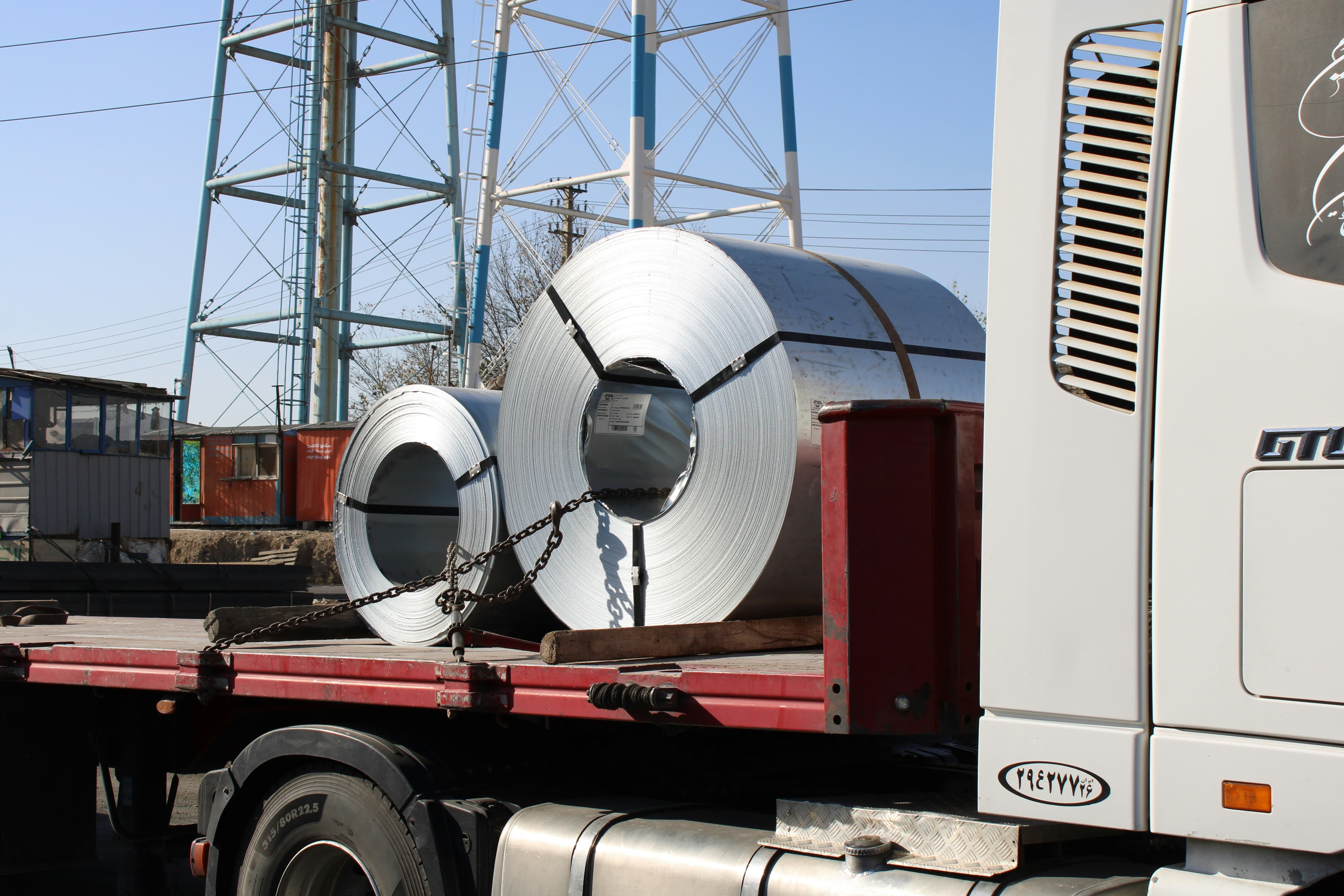
A standard flatbed deck sits roughly five feet off the ground. That means freight taller than about 8 feet 6 inches can push the total height past the legal limit in many states. When freight is too tall for a flatbed, a step deck or RGN trailer with a lower deck is usually the next option to consider.
Tarping and securement
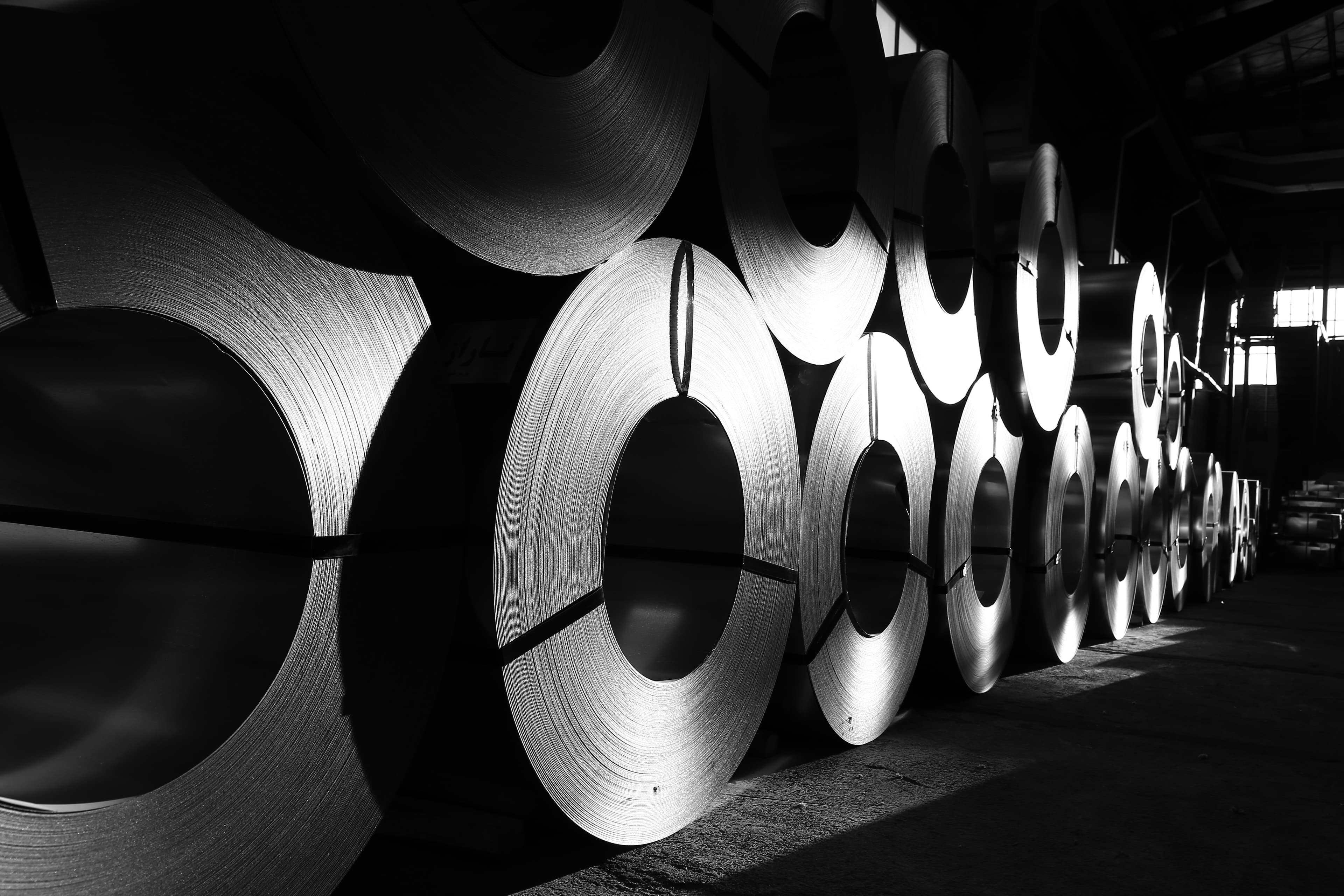
Some flatbed freight must be protected from moisture or road debris. Lumber, drywall and certain steel products are commonly tarped. Tarping requirements, the type of tarp and any special securement needs should be part of the quote request so the details are agreed before pickup.
- Lumber and steel tarps
- Edge protection for finished products
- Chains and binders for heavy equipment
- Straps and corner guards for bundled freight
Request a quote
What to include in your quote request
- 01Pickup and delivery city and state
- 02Commodity and number of pieces
- 03Dimensions of the largest piece (L × W × H)
- 04Approximate total weight
- 05Tarping or special securement needs
- 06How the freight is loaded and unloaded
FAQ
Flatbed Freight questions
What is the maximum freight height on a flatbed?
Does my flatbed freight need to be tarped?
How long is a standard flatbed trailer?
Can a flatbed be loaded with a crane?
Keep exploring
Related services and guides
Request a flatbed quote
Tell us about the shipment and we’ll follow up to confirm the details and the equipment.
Prefer email? [email protected]