Oversize Freight
Understanding Oversize Freight Shipping
What makes a load oversize or overweight, who issues permits, when escorts are required and how to plan a specialized shipment in the United States.
By Customer First Brokerage · · 7 min read
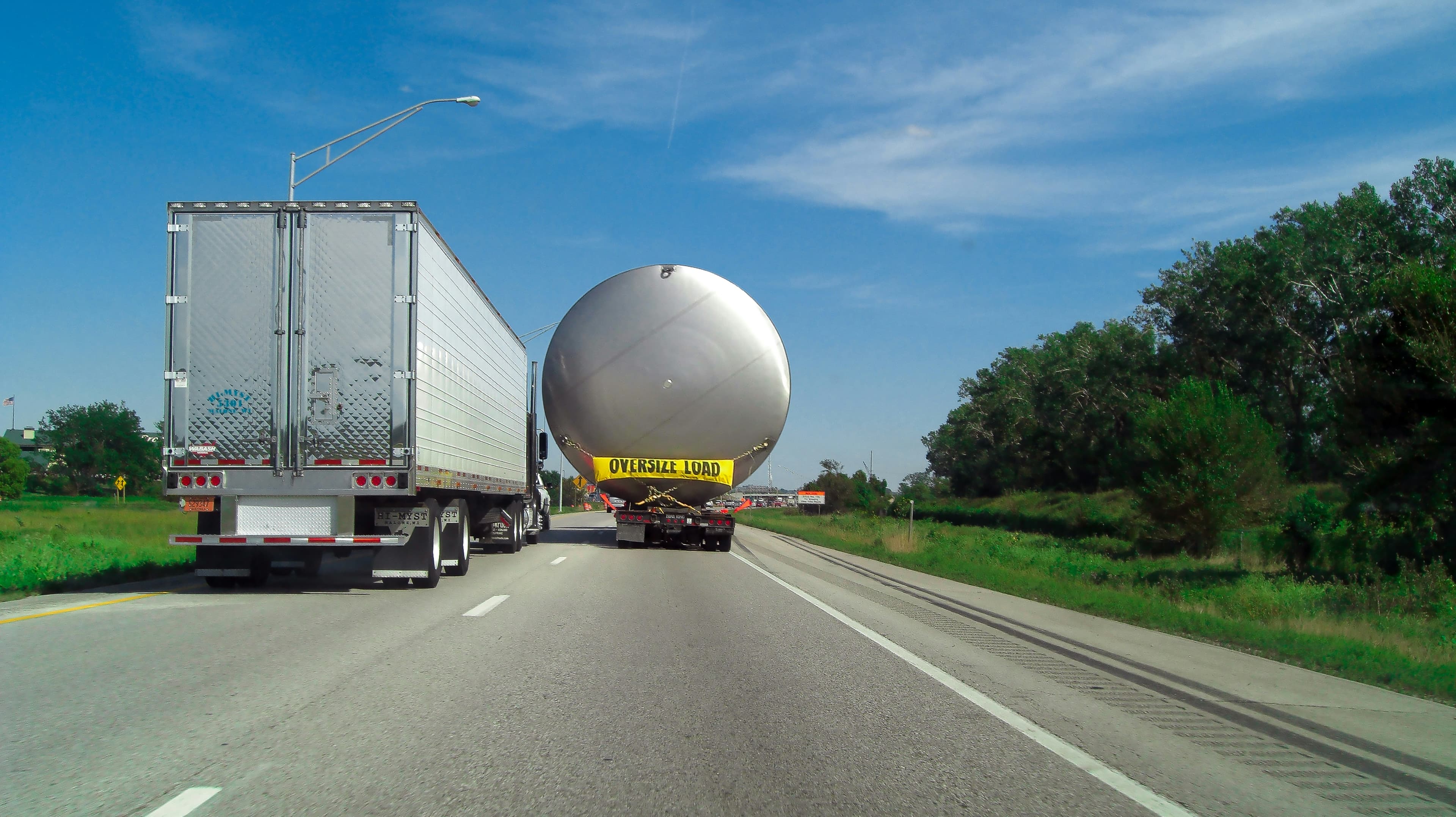
Oversize freight is any load that makes a truck exceed the legal limits for width, height, length or weight. Moving it is legal, but it requires permission — permits from each state along the route — and often additional requirements such as escort vehicles, marked routes and restricted travel times. This guide explains the basics so you know what to expect.
The legal limits
Federal law sets some limits for the Interstate system and the National Network of highways; states set the rest. The figures below are the ones most often referenced, but every state publishes its own rules.
| Dimension | Common limit | Set by |
|---|---|---|
| Width | 8 ft 6 in (102 in) | Federal, on the National Network |
| Height | 13 ft 6 in to 14 ft 6 in | Each state |
| Trailer length | Commonly 48 to 53 ft | Federal minimums; states vary |
| Gross weight | 80,000 lb | Federal, on the Interstate system |
| Axle weight | 20,000 lb single / 34,000 lb tandem | Federal, on the Interstate system |
A load that exceeds any of these limits is oversize (dimensions) or overweight (weight). Many loads are both.
Permits
Oversize and overweight permits are issued by each state's department of transportation, and a shipment crossing four states typically needs four permits. Permits specify the route, the dimensions and weight of the load, and conditions such as travel times. They are usually obtained by the motor carrier or by a permit service working on the carrier's behalf.
Escorts and pilot cars
Wider, taller or longer loads may need one or more escort vehicles, sometimes called pilot cars. Each state sets its own thresholds based on the load's dimensions and the type of road. Very large loads can also require a height pole vehicle to check clearances, or police escorts in some jurisdictions.
Travel restrictions
- Daylight-only travel is common for oversize loads
- Many states restrict movement on weekends and holidays
- Some metropolitan areas restrict rush-hour movement
- Weather and seasonal restrictions may apply
Superloads
When a load is exceptionally large or heavy, a state may classify it as a superload. Thresholds are set state by state. Superloads commonly involve engineering review of bridges and roads, route surveys and significantly longer lead times.
Choosing the right trailer
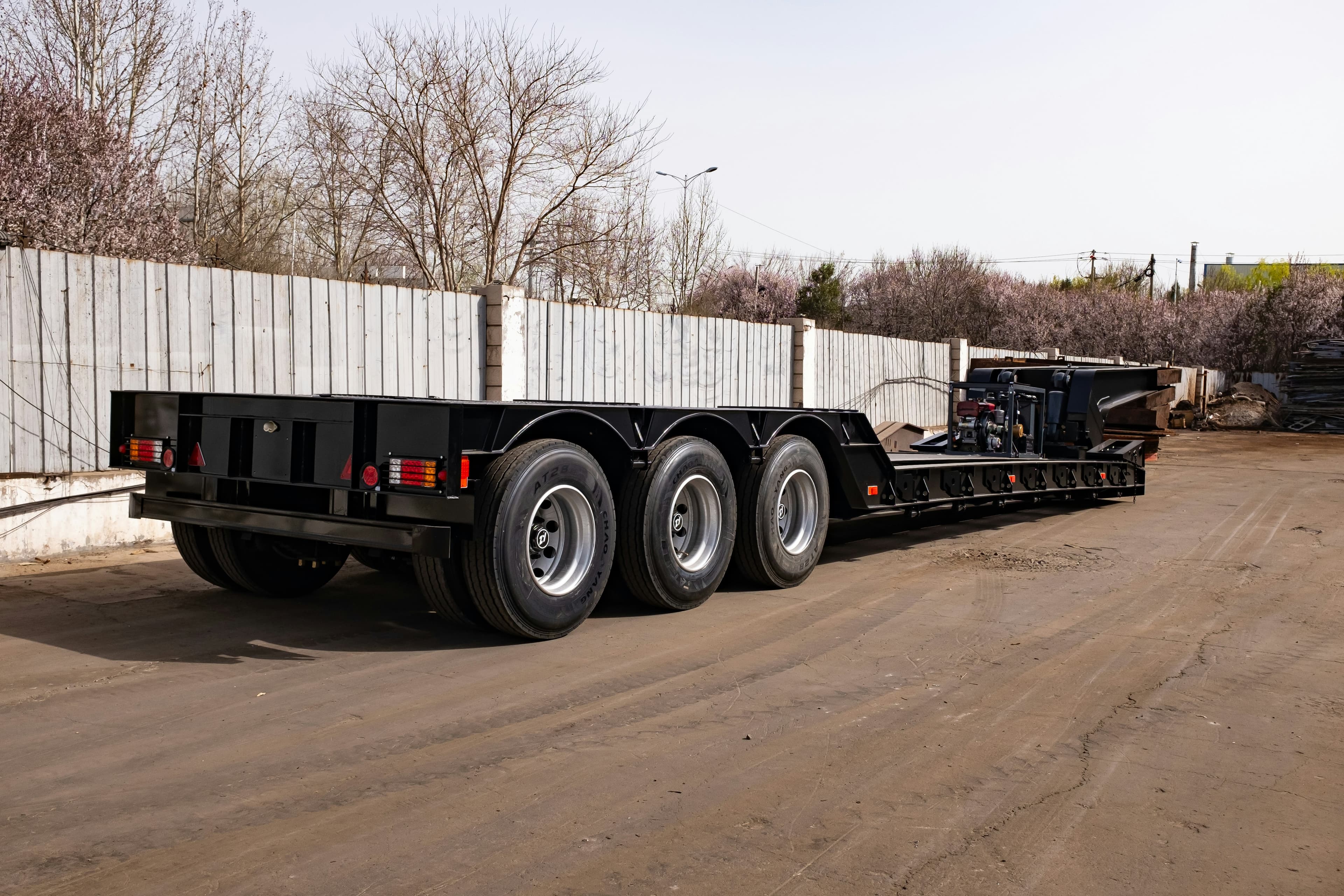
Trailer choice can keep a load legal or reduce the permits it needs. A lower deck — a step deck or an RGN — can keep tall freight under height limits. Additional axles spread weight to stay within axle limits. Extendable trailers accommodate long freight.
How to prepare as a shipper
- Measure the freight precisely — length, width, height and weight.
- Provide photos or drawings, including lift points and tie-down points.
- Share site details: access roads, overhead obstructions and space to load.
- Plan lead time. Routine permits can be quick; superloads can take much longer.